
Chromium Carbide Coating
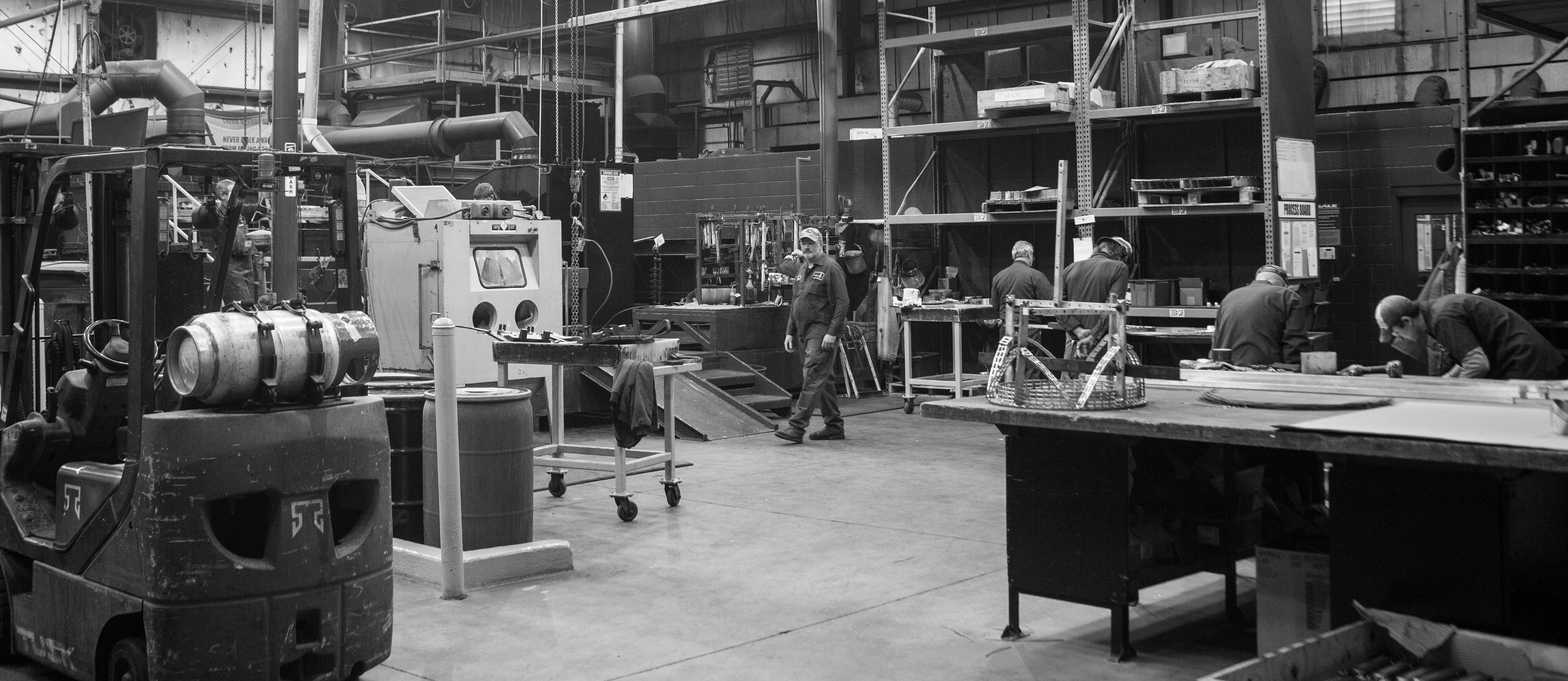
Chromium Carbide Coating
Hale Performance Coatings provides chromium carbide coating services for manufacturers and OEMs that need dependable wear and corrosion protection in demanding, high-temperature operating environments. Applied using the HVOF thermal spray process, chromium carbide coatings create a durable protective surface designed to help industrial components withstand challenging production conditions.
Chromium carbide is particularly valuable when components face a combination of wear, oxidation and elevated temperatures. Hale’s HVOF coating capabilities allow manufacturers to improve critical surface properties while retaining the underlying component and its material characteristics.
What Is Chromium Carbide Coating?
Chromium carbide coating is a wear-resistant thermal spray coating used to protect industrial components operating under demanding conditions. The coating combines hard chromium carbide particles with a metallic binder to create a surface capable of resisting wear, corrosion and oxidation.
One of the characteristics that distinguishes chromium carbide from other carbide coatings is its performance at elevated temperatures. This makes it particularly useful for industrial applications where both wear and heat are significant concerns.
Rather than manufacturing an entire component from a specialized wear-resistant material, manufacturers can apply chromium carbide to critical surfaces where additional protection is required.
Why Chromium Carbide Is Applied Using HVOF
HVOF, or High Velocity Oxygen Fuel, is a thermal spray process designed to apply dense, well-bonded protective coatings.
During the HVOF process, fuel and oxygen are combusted to create a high-velocity gas stream. Chromium carbide coating material is introduced into the stream and accelerated toward the prepared component surface. The particles impact the substrate at high velocity and build upon one another to form the finished coating.
Benefits of applying chromium carbide using HVOF include:
- Dense, durable coating structure
- Strong adhesion to properly prepared substrates
- Excellent wear resistance
- High-temperature performance
- Corrosion and oxidation resistance
- Controlled coating application
- Repeatable results for production components
HVOF allows Hale Performance Coatings to apply chromium carbide to specific component surfaces based on the operating environment and performance requirements.
Benefits of Chromium Carbide Coating
- High-temperature wear resistance: Chromium carbide maintains useful wear-resistant properties in elevated-temperature environments where other coating materials may be less suitable.
- Oxidation resistance: The coating can help protect component surfaces from oxidation associated with high-temperature industrial processes.
- Corrosion resistance: Chromium carbide coatings provide additional surface protection for components exposed to corrosive operating environments.
- Abrasion and erosion resistance: The hard carbide structure helps protect surfaces exposed to abrasive particles, repeated contact and erosive wear.
- Improved component performance: Applying chromium carbide to critical wear surfaces can improve the performance of the component without requiring it to be manufactured entirely from a specialty material.
- Extended component life: Protecting critical surfaces from wear, heat and oxidation can reduce premature component deterioration and production interruptions.
- Production consistency: Controlled HVOF processing helps manufacturers achieve repeatable coating characteristics across production quantities.
Common Applications for Chromium Carbide Coatings
Chromium carbide HVOF coatings are well suited for industrial components exposed to combinations of heat, wear, erosion, oxidation and corrosive conditions.
Common applications can include:
- Industrial rolls and rollers
- Pump components
- Shafts
- Process equipment
- Valve components
- Turbine components
- Exhaust and high-temperature components
- Production tooling
- Wear surfaces
- Steel processing equipment
- Components exposed to abrasive or erosive environments
- High-temperature manufacturing equipment
The appropriate coating specification depends on the substrate, operating temperature, type of wear and other conditions the component encounters in service.
Industries That Use Chromium Carbide Coatings
- Steel and Metal Processing: Rolls, processing equipment and other components exposed to heat and wear can benefit from chromium carbide’s combination of wear and oxidation resistance.
- Industrial Manufacturing: Production equipment operating under abrasive, corrosive or elevated-temperature conditions may require additional surface protection.
- Energy and Power Generation: Turbine and other high-temperature components can benefit from coatings engineered to withstand heat, erosion and oxidation.
- Oil and Gas: Valves, pumps and processing components may encounter combinations of wear, corrosion and demanding operating conditions.
- Chemical and Process Industries: Chromium carbide coatings can provide surface protection for equipment exposed to challenging process environments.
- Heavy Equipment: Components subjected to abrasive wear and harsh operating conditions can benefit from a durable HVOF-applied surface.
Chromium Carbide vs. Tungsten Carbide Coating
Chromium carbide and tungsten carbide are both carbide-based coatings commonly applied using HVOF, but their performance characteristics make them appropriate for different applications.
- Chromium carbide coating: Particularly useful when a component requires wear resistance combined with oxidation and corrosion protection at elevated operating temperatures.
- Tungsten carbide coating: Commonly selected for severe abrasion, erosion and wear applications, particularly when extreme hardness is a primary requirement.
The right choice depends on more than hardness alone. Operating temperature, wear mechanism, corrosion exposure, substrate material and production requirements should all be considered when selecting an HVOF coating.
Hale Performance Coatings can evaluate these factors to help manufacturers determine which carbide coating is appropriate for their application.
Chromium Carbide vs. Chromium Oxide Coating
Although their names are similar, chromium carbide and chromium oxide are different coating materials applied through different thermal spray processes.
Chromium carbide is a carbide-based coating applied using HVOF and is particularly useful for applications involving wear, oxidation and elevated temperatures.
Chromium oxide is a ceramic coating applied using plasma spray. It provides hardness, wear resistance and chemical stability for applications where ceramic surface properties are desired.
Understanding the component’s operating conditions and required surface properties is important when determining which coating technology is the better fit.
Why Choose Hale Performance Coatings for Chromium Carbide Coating?
Hale Performance Coatings combines chromium carbide coating expertise with extensive HVOF, plasma spray and industrial surface finishing capabilities. Our team works with manufacturers and OEMs to develop coating solutions around specific components, operating conditions and production requirements.
For production customers, coating performance must also be consistent from part to part. Hale focuses on controlled HVOF processes and repeatable results to support manufacturers requiring dependable coating quality across production runs.
Whether your components face elevated temperatures, abrasive wear, oxidation, corrosion or a combination of demanding conditions, our team can evaluate your application and recommend an appropriate HVOF coating solution.
Contact our team today to request a quote or schedule a consultation.
Chromium Carbide Coating Frequently Asked Questions
What is chromium carbide coating?
Chromium carbide coating is a wear-resistant thermal spray coating used to protect industrial component surfaces from wear, corrosion, oxidation and elevated-temperature operating conditions.
How is chromium carbide coating applied?
Chromium carbide is commonly applied using the HVOF thermal spray process. Coating particles are accelerated at high velocity toward a prepared component surface, where they build into a dense, durable protective layer.
What are the benefits of chromium carbide coating?
Chromium carbide coatings can provide wear resistance, corrosion protection, oxidation resistance and strong performance in elevated-temperature industrial environments.
Is chromium carbide coating heat resistant?
Yes. High-temperature performance is one of the primary reasons chromium carbide coatings are selected for certain industrial applications. The appropriate coating and operating limits depend on the specific coating composition and application.
What is the difference between chromium carbide and tungsten carbide coating?
Chromium carbide is often selected when wear resistance must be combined with elevated-temperature and oxidation performance. Tungsten carbide is frequently used for severe abrasion and wear applications where extreme hardness is a primary consideration.
Is chromium carbide the same as chromium oxide?
No. Chromium carbide is a carbide-based coating commonly applied using HVOF. Chromium oxide is a ceramic coating typically applied using plasma spray. They provide different properties and are selected for different operating conditions.
What components can be coated with chromium carbide?
Chromium carbide coatings can be used on industrial rolls, shafts, pump and valve components, process equipment and other surfaces exposed to wear, heat, oxidation or corrosive conditions.
Are chromium carbide coatings suitable for production applications?
Yes. HVOF chromium carbide coatings can be applied using controlled, repeatable processes, making them suitable for manufacturers and OEMs requiring consistent coating characteristics across production quantities.