
Electropolishing
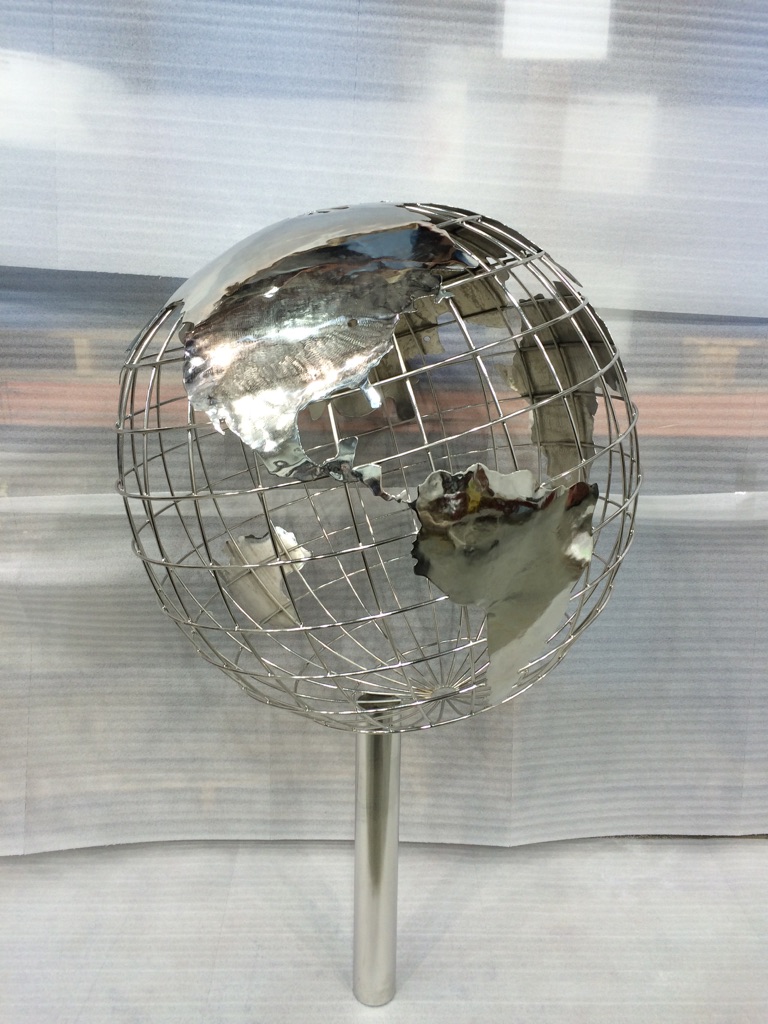
Electropolishing
When surface finish, corrosion resistance and cleanliness matter, electropolishing provides an effective solution for improving metal component performance. Hale Performance Coatings offers precision electropolishing services for stainless steel and other alloys, helping manufacturers achieve smoother surfaces, improved corrosion resistance and enhanced product quality.
Whether you’re supporting a high-volume production program or looking to improve the finish of precision components, our experienced team can recommend an electropolishing solution that meets your performance requirements.
What is Electropolishing?
Electropolishing is an electrochemical finishing process that removes a microscopic layer of metal from a component’s surface. Unlike mechanical polishing, which can smear or deform the metal surface, electropolishing selectively removes high points and surface imperfections to produce a bright, smooth finish.
The process improves surface cleanliness while reducing microscopic peaks, burrs and embedded contaminants. It is especially effective for stainless steel components that require superior corrosion resistance, sanitary performance or an aesthetically pleasing appearance.
Electropolishing is commonly used in industries where precision, cleanliness and repeatable quality are critical, making it an ideal finishing process for high-volume manufacturing applications.
Benefits of Electropolishing
Improved corrosion resistance: Removing surface contaminants and free iron helps stainless steel develop a more uniform passive oxide layer, increasing resistance to corrosion.
Superior surface finish: Electropolishing produces a bright, smooth finish that improves appearance while reducing surface roughness.
Enhanced cleanability: Smoother surfaces are easier to clean and sanitize, making electropolishing ideal for food processing, medical and pharmaceutical applications.
Reduced friction: A smoother surface helps reduce friction and minimizes product buildup on finished components.
Deburring and edge refinement: The process removes microscopic burrs and sharp edges that can affect performance or product quality.
Improved fatigue performance: Eliminating surface imperfections can reduce stress concentrations and contribute to longer component life.
Consistent production quality: Electropolishing provides repeatable results across large production runs, making it well suited for OEMs and industrial manufacturers.
Electropolishing Stainless Steel
Electropolishing stainless steel is one of the most common applications for this finishing process. Stainless steel components benefit from improved corrosion resistance, enhanced appearance and easier cleaning after electropolishing.
Common grades include:
- 304 Stainless Steel
- 316 Stainless Steel
- 17-4 Stainless Steel
- Other corrosion-resistant stainless alloys
The process is especially valuable for manufacturers producing components that operate in corrosive, sanitary or high-purity environments.
Common Applications for Electropolishing
Electropolishing is used across a variety of industries that require smooth, clean and corrosion-resistant metal surfaces.
Common applications include:
- Medical instruments
- Surgical devices
- Food processing equipment
- Pharmaceutical equipment
- Semiconductor components
- Chemical processing equipment
- Stainless steel tubing
- Valves and fittings
- Pumps and pump components
- Precision machined parts
- Fabricated stainless steel assemblies
These applications benefit from improved surface quality, enhanced corrosion resistance and consistent finishing across production volumes.
Industries That Use Electropolishing
Medical Manufacturing: Surgical instruments and medical devices require clean, smooth surfaces that resist corrosion and contamination.
Food Processing: Stainless steel equipment benefits from improved cleanability and sanitary performance.
Pharmaceutical: Electropolished components help support hygienic manufacturing environments.
Chemical Processing: Improved corrosion resistance extends component life in aggressive operating environments.
Industrial Manufacturing: Precision machined parts and fabricated assemblies benefit from enhanced appearance and consistent surface quality.
Electropolishing vs. Mechanical Polishing
Mechanical polishing: Uses abrasives to smooth the surface but may leave microscopic scratches or embed contaminants.
Electropolishing: Removes a thin layer of metal electrochemically, producing a smoother surface while improving corrosion resistance and cleanliness.
Passivation: While passivation improves corrosion resistance by removing free iron, electropolishing goes a step further by also improving surface finish and reducing microscopic imperfections.
Why Choose Hale Performance Coatings for Electropolishing?
Hale Performance Coatings provides precision electropolishing services for manufacturers, OEMs and industrial operations throughout North America. Our team works closely with customers to recommend the right finishing process based on component geometry, material, operating environment and production requirements.
Whether you’re improving corrosion resistance, achieving a smoother finish or supporting a high-volume manufacturing program, Hale Performance Coatings delivers consistent, repeatable electropolishing services designed to meet your quality standards.
Contact our team today to request a quote or schedule a consultation.
Electropolishing Frequently Asked Questions
What is electropolishing?
Electropolishing is an electrochemical finishing process that removes a thin layer of metal from a component to improve surface finish, corrosion resistance and cleanliness.
What are the benefits of electropolishing stainless steel?
Electropolishing stainless steel improves corrosion resistance, creates a smoother surface, enhances appearance and makes components easier to clean and sanitize.
What materials can be electropolished?
While stainless steel is the most common material, electropolishing can also be performed on other compatible metal alloys depending on the application.
Is electropolishing better than mechanical polishing?
Each process has advantages, but electropolishing is often preferred when corrosion resistance, sanitary performance and a highly refined surface finish are required.
Where can I find electropolishing near me?
If you’re searching for electropolishing services nearby, Hale Performance Coatings serves manufacturers and OEMs across North America with precision electropolishing services for high-volume industrial applications.